When we think about childhood education, core subjects like maths, science, and language often dominate the conversation. However, there’s a growing recognition of the importance of developing both sides of the brain to foster well-rounded cognitive growth. While the left brain is associated with logic, analysis, and language, the right brain governs creativity, imagination, intuition, and emotional intelligence. At Bingo Education, our art classes are specifically designed to enhance right-brain development in children aged 6 to 12—helping them grow into imaginative, empathetic, and innovative thinkers.
Understanding the Right Brain
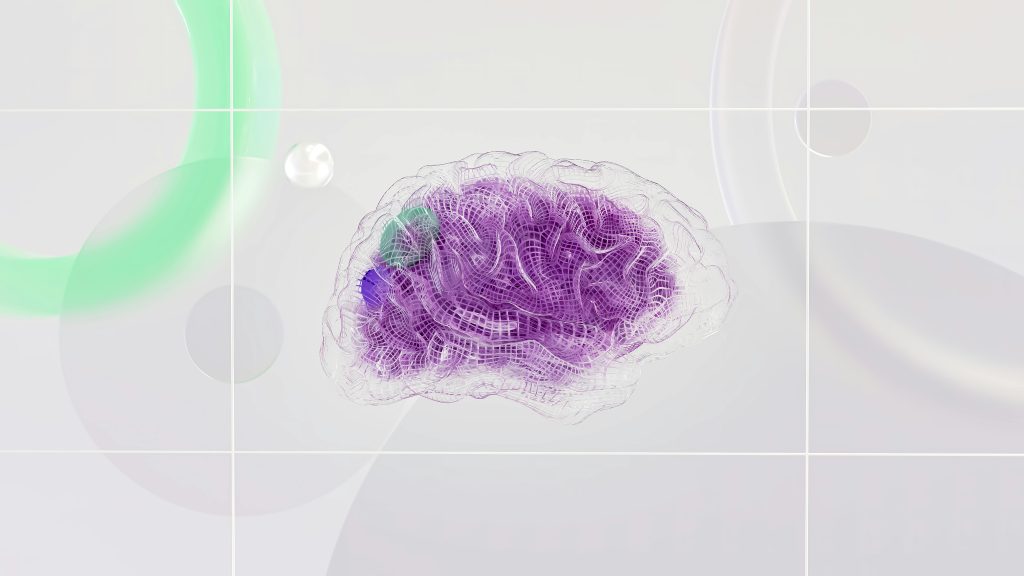
The right hemisphere of the brain plays a vital role in processing visual and spatial information, interpreting emotions, and recognising patterns. It also governs creativity, artistic expression, and non-verbal communication. Children who engage in right-brain activities like drawing, painting, and storytelling are more likely to develop stronger observational skills, emotional awareness, and creative problem-solving abilities.
Why Right-Brain Development Matters
In an increasingly automated and information-rich world, right-brain skills are becoming more essential than ever. Creativity, emotional intelligence, and adaptability are the soft skills of the future. According to a 2020 World Economic Forum report, creativity and innovation are among the top 10 skills employers will seek in coming years. These skills are rooted in the right hemisphere of the brain.
Art education provides a unique platform for nurturing these capabilities in a structured yet playful environment. It helps children make sense of the world not just through logic and words, but also through visuals, colours, textures, and emotions.
How Bingo Education's Art Classes Promote Right-Brain Growth
At Bingo Education, our curriculum is tailored to strengthen the creative and emotional side of the brain through hands-on learning experiences. Here’s how:
1. Visual Observation
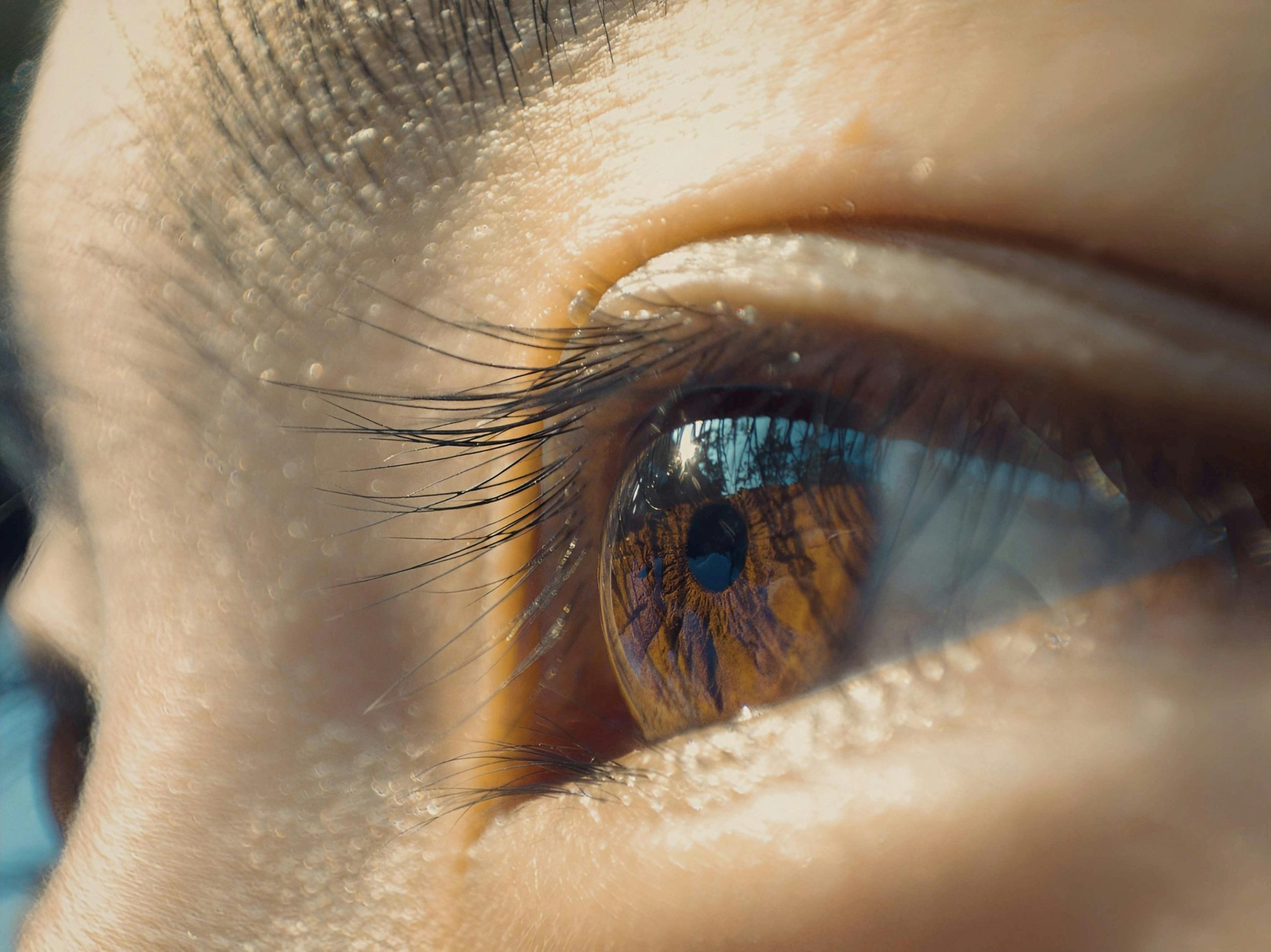
Children learn to observe the world more closely as they study proportions, colours, shapes, and details. This enhances visual-spatial awareness and attention to nuance—key functions of the right brain.
2. Imagination and Creative Thinking
We encourage imaginative projects, like turning abstract shapes into animals or telling a story through a series of sketches. These exercises activate neural pathways in the right brain that are responsible for associative and divergent thinking.
3. Intuition and Expression
In art, there are no “right answers”. This gives students the freedom to explore and express emotions, dreams, and ideas in an intuitive way. Projects like free painting or mood-based colour studies are designed to help children trust their instincts.

4. Non-Verbal Communication
Children often express what they can’t yet put into words through art. This develops emotional intelligence and helps them understand others’ feelings, enhancing empathy and interpersonal skills.
5. Mindfulness and Focus
Art activities require concentration, patience, and presence—especially when working on detailed projects like line work or blending colours. These mindful experiences support emotional regulation and stress management.
The Long-Term Benefits
Right-brain stimulation during early childhood lays the groundwork for lifelong learning and adaptability. Students who engage in regular creative practices tend to excel not only in the arts but also in fields that require design thinking, emotional insight, and innovation. Studies also show that students involved in art programs perform better academically and exhibit stronger critical thinking skills.
By investing in right-brain development today, we help children prepare for a future that values creativity, empathy, and human-centred innovation.
How to Get Started
Bingo Education offers art classes tailored to different age groups and skill levels, taught by experienced instructors like Yoyo Lin, who blend traditional and digital techniques. Whether your child is picking up a brush for the first time or already has a passion for drawing, our program nurtures their unique creative voice while supporting their cognitive growth.
To find out more about our art curriculum or book a trial class, visit our page of Art Courses now.
References
World Economic Forum (2020). The Future of Jobs Report. Retrieved from: https://www.weforum.org/reports/the-future-of-jobs-report-2020
Winner, E., & Hetland, L. (2000). The Arts and Academic Achievement: What the Evidence Shows. Journal of Aesthetic Education.
Sousa, D. A. (2006). How the Brain Learns. Corwin Press.
Goleman, D. (2006). Emotional Intelligence. Bantam Books.